• 9/11 Victim Programs
  • Victim Compensation Fund (VCF)
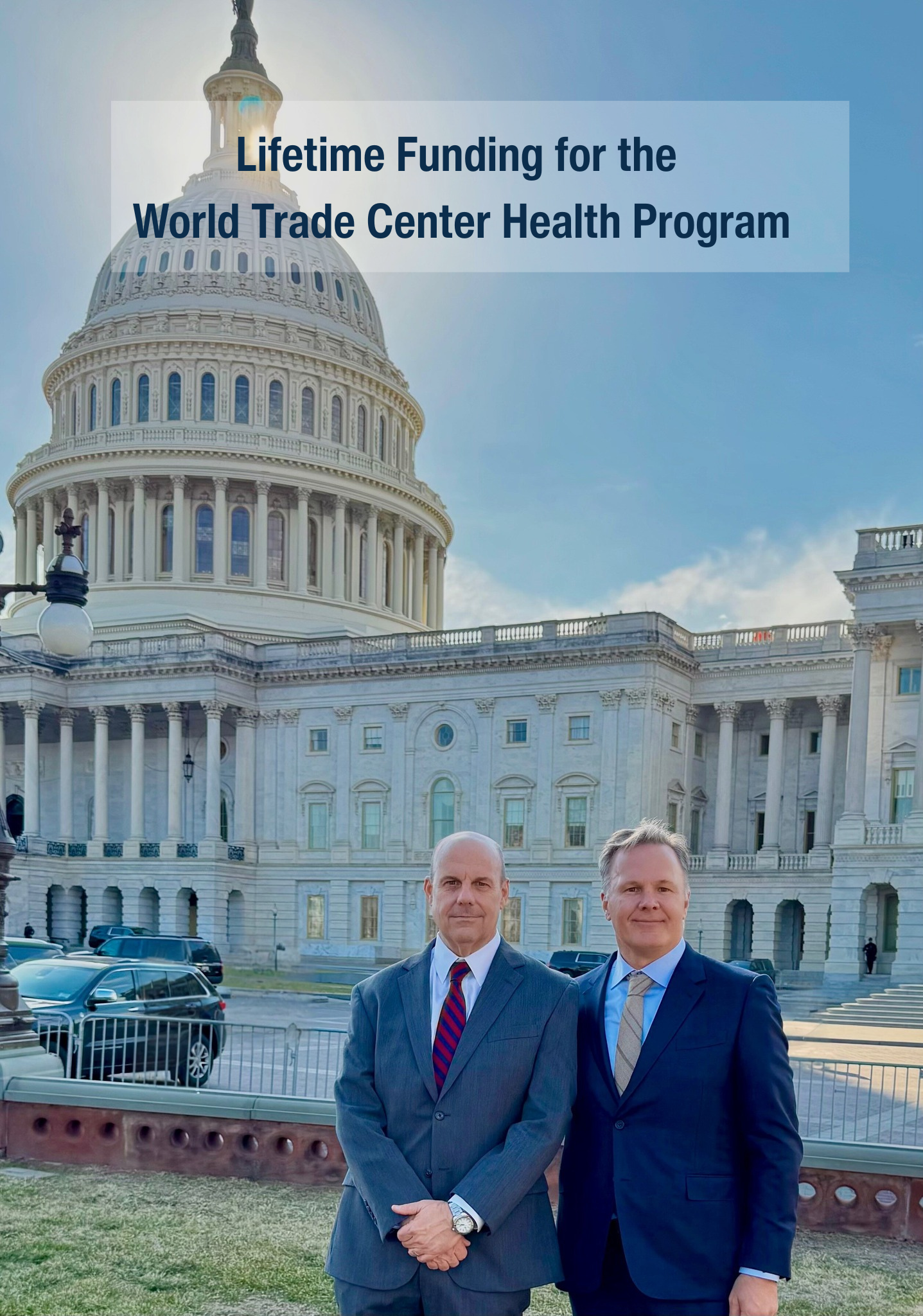
  • WTC Health Program (WTCHP)
  • Wrongful Death VCF Claims

Hansen & Rosasco, LLP

    Posts by:

    Troy Rosasco

    Scholarships for Children of 9/11 First Responders

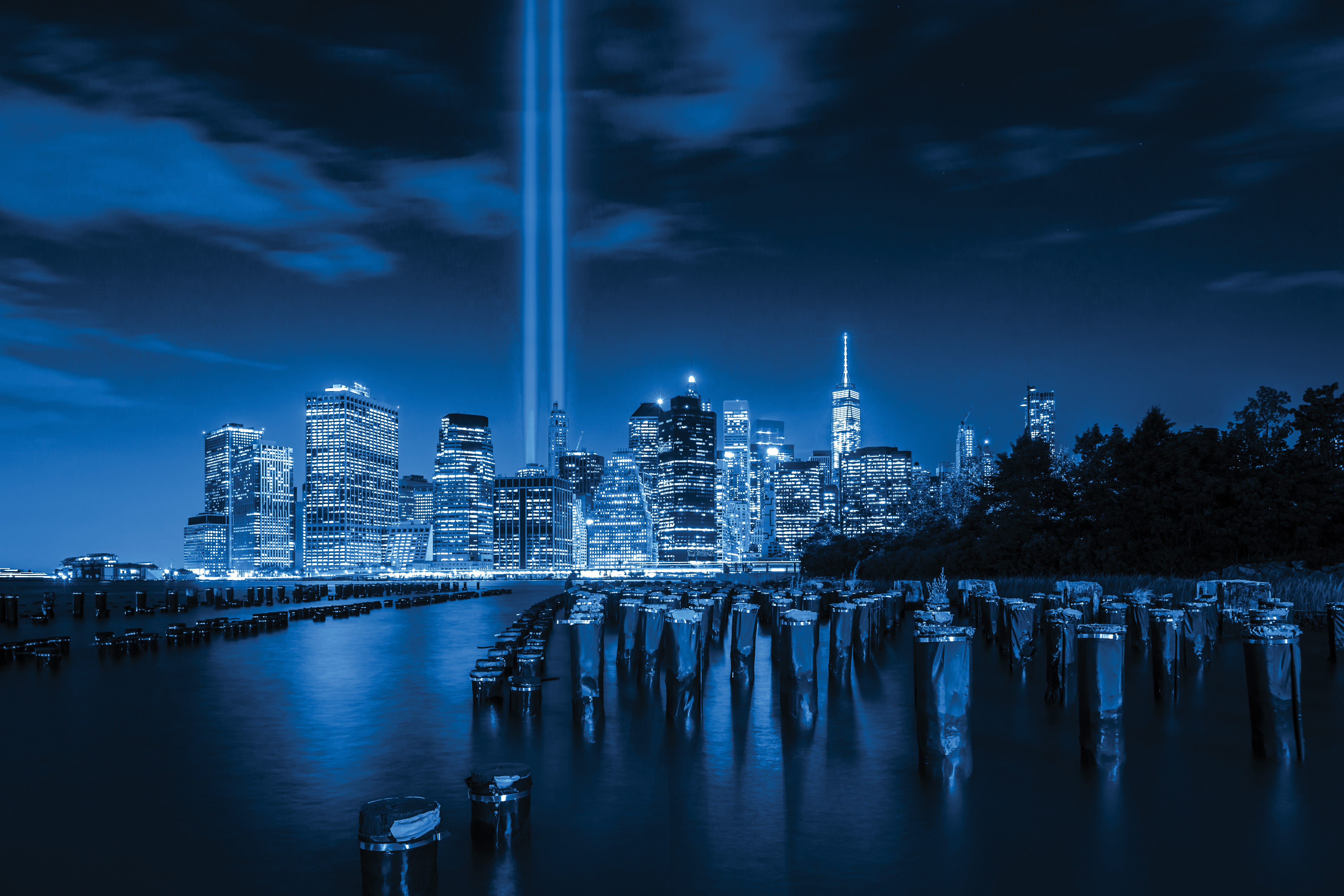
    Support is available for first responders and recovery workers who rushed to help when the Twin Towers fell on September 11, 2001. Firefighters, police officers, EMTs, construction workers, volunteers, and military service members who stepped forward during rescue and recovery efforts know how the sacrifices they made can affect their families as well as themselves. To honor their service, a number of organizations offer scholarships for children of 9/11 first responders, providing financial aid to help children of first responders pursue higher education at an accredited college or university, community college, or trade school.

    If you were a 9/11 first responder or are a child of a 9/11 first responder, exploring scholarship opportunities, understanding eligibility requirements, and application steps can help you get started on your journey to higher education.
    Read More

    How 9/11 Health Research Has Evolved Over the Last Two Decades

    More than 20 years after the September 11, 2001, terrorist attacks, the full effect of the health impacts is still being understood. As time passed, a health crisis began to emerge involving chronic illness, cancer, respiratory disease, digestive disorders, and long-term mental health conditions among 9/11 responders, victims, and others present in the aftermath of the attacks. 

    What began as short-term emergency response research has evolved into one of the most comprehensive public health monitoring efforts in the history of the United States. From early studies focused on dust exposure to ongoing cancer surveillance, 9/11 health research has informed the support available to the 9/11 community and has reshaped how the nation responds to environmental disaster and mass trauma.

    Read More

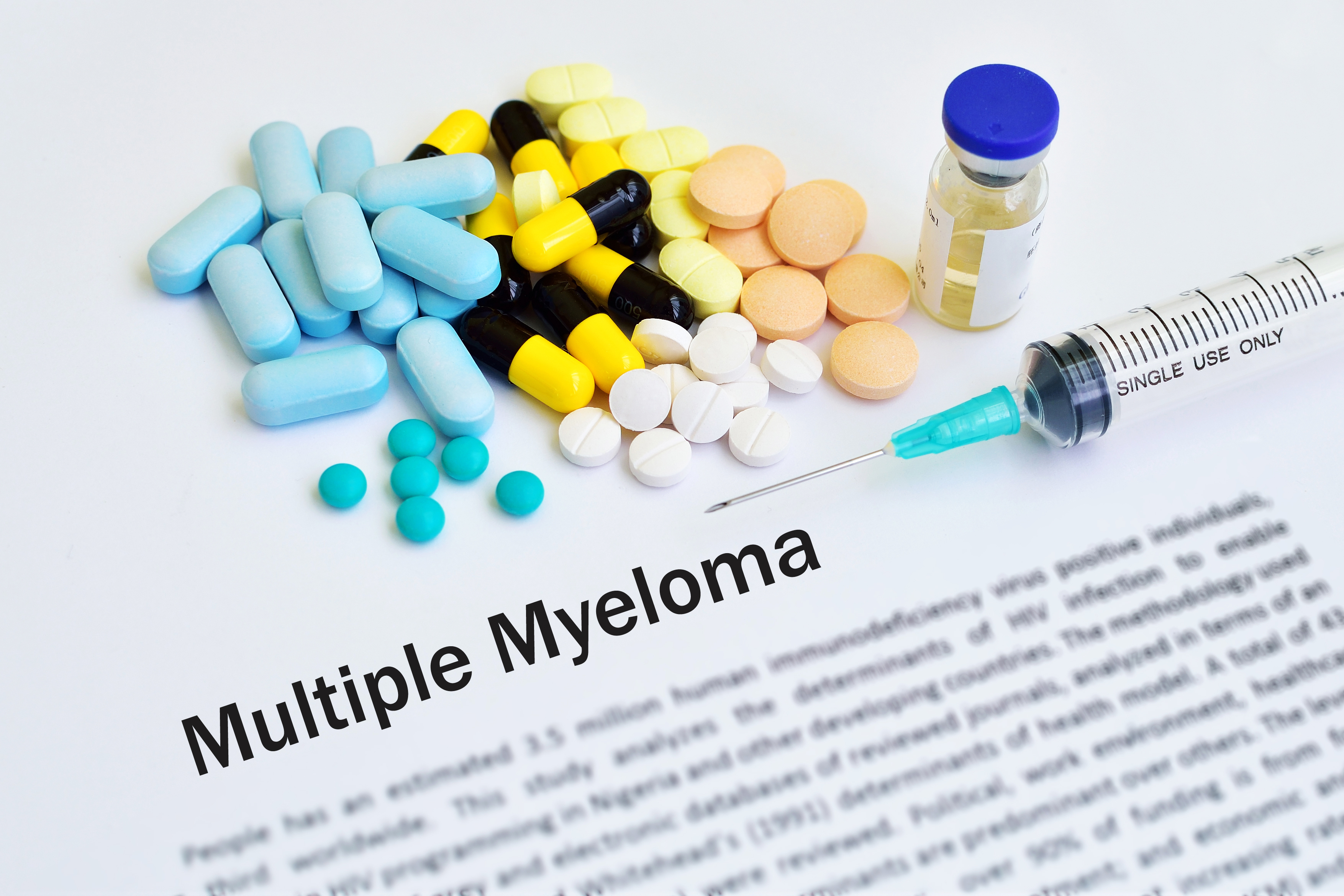
    Understanding the Link Between 9/11 Exposure and Multiple Myeloma

    Among the most serious conditions linked to toxic exposure in the aftermath of the terrorist attacks on the World Trade Center (WTC) is multiple myeloma, a rare but aggressive blood cancer that affects plasma cells.

    For many first responders, volunteers, office workers, residents, students, and others who were present in lower Manhattan on or after the attacks, a diagnosis of multiple myeloma is directly tied to exposure to the toxic dust that blanketed lower Manhattan and the surrounding areas released when the towers fell. 

    Could 9/11 exposure be the cause? What scientific evidence supports the connection? And what health care and compensation options are available? This guide explores what we know about the direct link between 9/11 exposure and multiple myeloma, who is at risk, and what medical treatment, support, and compensation are available.

    Read More
    empty office in new york city

    Administration Reverses World Trade Center Health Program Staff and Funding Cuts

    Update as of February 21st, 2025: Lawmakers from both parties condemned the cuts, emphasizing the program’s importance to those who risked their lives in response to the 9/11 attacks. Because of this, the administration has rescinded the reductions to staffing and funding for the World Trade Center Health Program, and has restored research grants that had been terminated.

    February 18, 2025: The World Trade Center Health Program (WTCHP) is a critical lifeline for 137,000 9/11 responders and survivors across the country, many who are currently battling 9/11 cancers and serious breathing conditions. Unfortunately, recent cuts by the new administration have put the future of medical care for 9/11 victims at risk. According to a statement by Benjamin Chevat, Executive Director of the Citizens for the Extension of the James Zadroga Act, these changes could delay urgent medical care for 9/11 cancer patients, halt important 9/11 cancer research, and reduce the program's ability to assist the entire 9/11 community.

    Read More

    Resources Available for Those with 9/11-Related Uterine Cancer

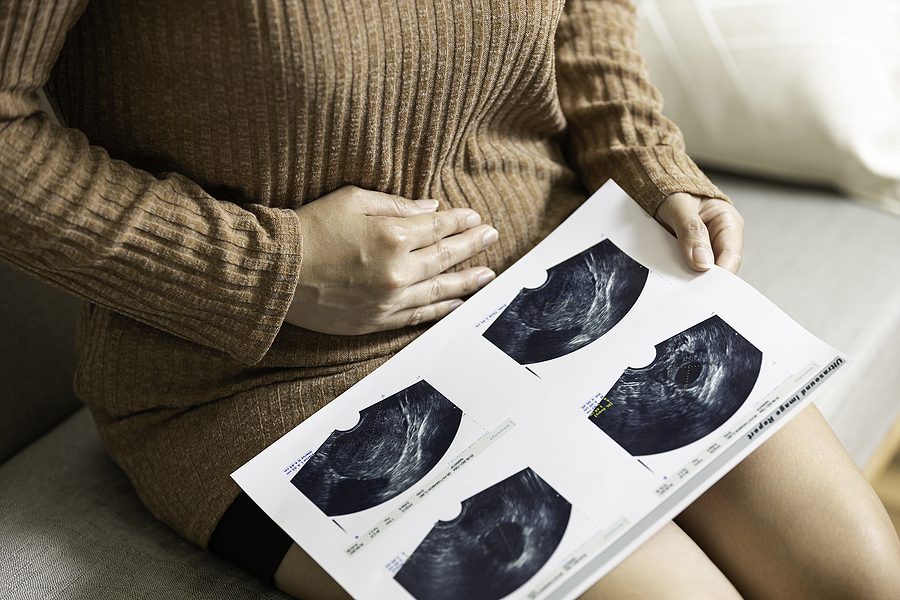
    Uterine cancer is recognized as part of the World Trade Center Health Program (WTCHP), individuals diagnosed with 9/11-related uterine cancer can access health monitoring and treatment and financial compensation. In January 2023, the World Trade Center Health Program issued a final rule adding all types of uterine cancer, including endometrial cancer, to the List of WTC-Related Health Conditions. The addition of uterine cancer to the list of 9/11-related conditions marked a significant development for many women affected by exposure to toxins following the attacks on the World Trade Center. In addition to healthcare and financial compensation, counseling and support groups are available that can provide necessary emotional support and mental health care. Here, we discuss the various resources available to those diagnosed with 9/11-related uterine cancer.

    Read More

    Exploring the Link Between 9/11 and Uterine Cancer

    Uterine cancer is strongly linked to exposure to the 9/11 toxins in women who were in lower Manhattan on or during the year after 9/11, including civilians, residents, downtown office and other workers, area students, and clean-up workers/responders, The recent addition of uterine cancer to the list of World Trade Center (WTC)-related health conditions marks an important and long overdue recognition of the ongoing struggles of thousands. This was important because it finally gives women with uterine cancer – including women who were diagnosed many years ago – lifetime healthcare and significant compensation that ranges from $250,000 to over $1,000,000. 

    Read More