 800-887-7299
How Esophageal Cancer Has Impacted 9/11 Survivors and Responders
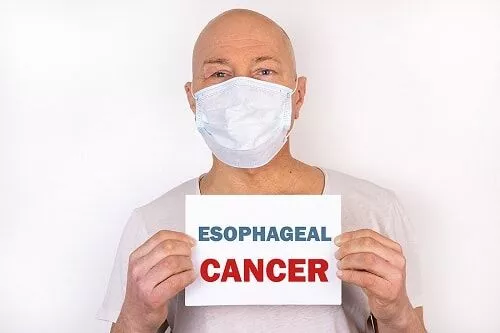
The attacks on September 11th caused 70+ different cancers, including a growing number of cases of esophageal cancer. Scientific evidence supports the connection that even decades later, 9/11 exposure is associated with increased risks of esophageal cancer compared with the general population. It’s important to understand that the Victim Compensation Fund does not require you to prove that 9/11 exposure resulted in your cancer, but that there is a “presumed link” so long as you prove you were present at a qualifying exposure site during the eligible time period and have a certified 9/11-related condition, such as esophageal cancer.
For anyone who lived, worked, attended school, childcare, or adult care, or participated in rescue and recovery efforts in Lower Manhattan and the vicinity, a diagnosis of esophageal cancer raises the question: Was my 9/11 exposure the cause? Now, nearly 25 years after September 11th, we know the link between esophageal cancer and the toxic air in lower Manhattan from 9/11 until mid-2002. If you lived, worked, or went to school in lower Manhattan and were diagnosed with cancer since 9/11, you may qualify for lifetime health coverage and care from the World Trade Center Health Program and a cash award from the September 11th Victim Compensation Fund (VCF).
Understanding 9/11 Exposure and Its Relation to Esophageal Cancer
Until mid-2002, the air in Lower Manhattan was toxic. There were lingering fumes and dust that contained a complex mixture of hazardous substances, including particles of asbestos, silica, heavy metals, pulverized concrete, chemicals, and other known carcinogens. These particles caused inflammation and long-term damage to the delicate lining of the esophagus, increasing the risk of chronic irritation and inflammation, GERD, Barrett’s esophagus, and cellular mutations that are directly linked to 9/11-caused cancers.
500,000 people present in the aftermath of the attacks inhaled or ingested these substances, many over extended periods of time. Research from institutions like the Icahn School of Medicine at Mount Sinai, the World Trade Center Health Program has shown that this exposure can contribute to chronic inflammation, cellular damage, and an increased risk of developing cancer compared to the general population.
Esophageal cancer, which affects the lining of the esophagus, has been recognized as a 9/11-related cancer. While the exact mechanisms are still being studied, prolonged irritation and damage to the digestive and respiratory systems are believed to play a role.
What Are the Common Signs and Symptoms of 9/11-Related Esophageal Cancer?
One of the challenges with esophageal cancer is that it has a long latency period (time from the original toxic exposure until diagnosis), and symptoms often do not appear until the disease has progressed. This makes awareness and early screening especially important for those in the 9/11 community.
Common symptoms of esophageal cancer may include:
-
Difficulty swallowing (dysphagia)
-
Persistent heartburn or acid reflux
-
Chest pain or discomfort
-
Unexplained weight loss
-
Chronic cough or hoarseness
-
Regurgitation of food
Because many of these symptoms overlap with more common conditions, such as gastroesophageal reflux disease (GERD), they are often overlooked or misdiagnosed. For all 9/11 downtown residents, workers, and students (and first responders), any persistent or worsening symptoms should be evaluated by a healthcare provider.
The Importance of Screening and Early Detection for 9/11 Survivors
Early detection plays a crucial role in improving outcomes for individuals diagnosed with esophageal cancer. When identified in its early stages, treatment options are often more effective and less invasive. The World Trade Center Health Program provides cancer monitoring and screening for eligible members, including evaluations for gastrointestinal and aerodigestive conditions.
Screening tests for esophageal cancer are being studied in clinical trials. While there is no standard or routine screening test for esophageal cancer, individuals at higher risk may benefit from:
-
Esophagoscopy
-
Biopsy
-
Brush cytology
-
Balloon cytology
-
Chromoendoscopy
-
Fluorescence spectroscopy
-
Endoscopic evaluations
-
Monitoring for conditions like Barrett’s esophagus
-
Ongoing assessment of chronic reflux or swallowing issues
Regular medical monitoring through the WTC Health Program helps ensure that potential symptoms and warning signs are identified as early as possible. For individuals in the 9/11 community, early detection can be life-saving.
Treatment Options and Potential Long-Term Health Impacts
Treatment for esophageal cancer depends on the stage of the disease, overall health, and other individual factors. Common treatment options may include:
-
Surgery to remove part or all of the esophagus
-
Chemotherapy
-
Radiation therapy
-
Targeted or immunotherapy treatments
While advancements in cancer treatment have improved survival rates, esophageal cancer can still have significant long-term health impacts. Survivors may experience:
-
Difficulty eating or swallowing
-
Nutritional challenges
-
Fatigue and reduced quality of life
-
Ongoing need for medical care
These impacts can affect a person’s ability to work and maintain financial stability, making access to financial compensation through the September 11th Victim Compensation Fund especially important.
Esophageal Cancer Compensation Through the 9/11 Victim Compensation Fund
Esophageal cancer may be eligible for compensation through the September 11th Victim Compensation Fund (VCF).
To qualify, claimants generally must:
-
Demonstrate presence in the 9/11 exposure zone
-
Have their condition certified by the WTC Health Program
-
Provide medical documentation supporting the diagnosis
-
Meet all applicable eligibility requirements and deadlines
Compensation through the VCF may include:
-
Economic losses, such as lost wages or reduced earning capacity
-
Non-economic losses, including pain and suffering
For families who have lost a loved one to esophageal cancer, wrongful death claims may also be available.
How a 9/11 Attorney Can Assist with Your Claim
Filing a claim with the VCF involves multiple steps, including gathering medical records, proving presence, and meeting deadlines. For individuals dealing with a serious condition like esophageal cancer, navigating this process alone can be complicated and overwhelming.
An experienced 9/11 attorney can help by:
-
Determining eligibility based on your exposure and diagnosis
-
Assisting with enrollment in the Health Program
-
Ensuring your condition is properly certified
-
Collecting and organizing medical and employment records
-
Preparing and submitting your VCF claim
-
Responding to requests for additional information
Legal guidance can help ensure that your claim is complete, accurate, and positioned for the best possible outcome.
If you or a loved one were exposed in the aftermath of 9/11 and have symptoms or have been diagnosed with esophageal cancer, it is important to act. Accessing medical care, understanding your rights, and exploring compensation options can make a significant difference in your long-term health and financial well-being. You don’t have to do it alone. Reach out to a dedicated 9/11 attorney at Hansen and Rosasco, LLP today for support.
Related Posts
How the List of Covered 9/11 Health Conditions Has Expanded, Including Coverage for 69+ Different Cancers
May is Bladder Cancer Awareness Month – Here's What to Know if You Have 9/11-Related Bladder Cancer