 800-887-7299
Recognizing National Cancer Prevention Month and Why Every 9/11 Survivor Should Get Screened Now
Decades after September 11, 2001, thousands of individuals who lived, worked, or attended school in Lower Manhattan, and those who participated in rescue, recovery, and cleanup efforts, continue to face an increased risk of cancer and other illnesses due to toxic exposures from the collapse of the World Trade Center (WTC). Many of these cancers develop silently and slowly, with symptoms appearing years or even decades later. That delay in the appearance of symptoms makes regular cancer screenings not just important, but essential for those exposed to the toxic dust cloud released in the attacks.
February marks National Cancer Prevention Month, a time to focus on early detection through screening, risk reduction, and access to lifesaving health care. For the general public, National Cancer Prevention Month is a reminder to schedule routine screenings. This reminder is especially important for the 9/11 community – responders, cleanup workers, and all others who worked, lived, or went to school in lower Manhattan between September 11, 2001, and May 30, 2002.
Now is the right time for every 9/11 survivor to take action, because early detection saves lives, protects access to care, and can also preserve your right to financial compensation for your 9/11-related losses.
Why National Cancer Prevention Month Matters for 9/11 Survivors
Cancer prevention is not just about lifestyle changes like diet or exercise. Cancer prevention also includes early detection through routine screenings, especially for populations with an increased risk of developing cancer, such as the 9/11 community. Research conducted by the National Cancer Institute and other public health agencies has repeatedly shown that those present during or after 9/11 face increased risks of developing cancer compared to the general population.
These increased risks are due to exposure to toxic dust, debris, smoke, and chemicals released during and long after the collapse of the WTC. Substances such as asbestos, benzene, silica, heavy metals, and other known carcinogens were, for almost a full year, present in the air and environment, contributing to long-term health consequences.
National Cancer Prevention Month highlights the importance of ongoing cancer screening for those individuals who were exposed, to ensure early detection and better outcomes.
What Are the Common 9/11-Related Cancers Survivors and Responders Face?
The James Zadroga 9/11 Health and Compensation Act (Zadroga Act) recognizes over 69 types of cancer as being WTC-related. Some of the most common 9/11 cancers include:
- Lung cancer
- Breast cancer
- Prostate cancer
- Colorectal cancer
- Thyroid cancer
- Skin cancers, including melanoma
- Leukemia and lymphoma
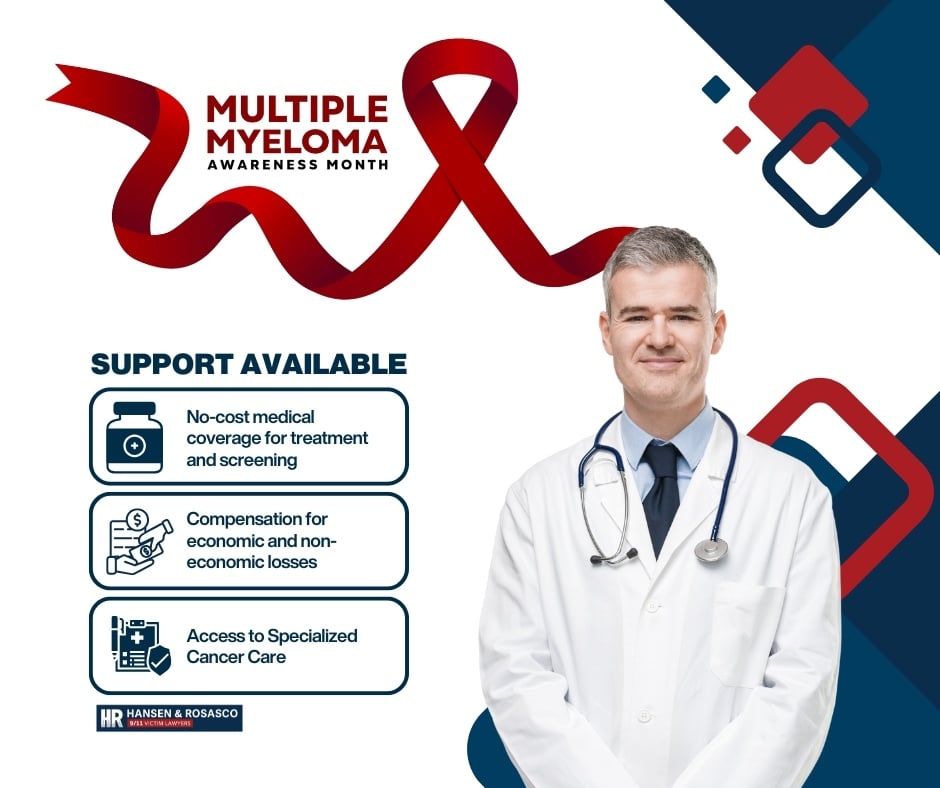
- Multiple myeloma
The type of cancer a victim may develop often depends on the duration and intensity of exposure as well as individual risk factors. It's important to realize that many of these cancers can be treated more effectively when detected early through routine screenings.
Why Every 9/11 Victim Should Get Screened Now
It's important for 9/11 victims to get screened now for several reasons.
Symptoms Are Often Delayed for Decades
One of the most dangerous aspects of 9/11-related cancers is the long period of time from the 9/11 exposure until the diagnosis of a 9/11 cancer. This means many cancers do not present noticeable symptoms until they have progressed to later stages of the disease. By the time symptoms do appear, treatment options may be more limited and less effective. Screenings allow health care providers to identify cancer before symptoms arise, sometimes years earlier, which can dramatically improve outcomes.
Screenings Save Lives through Early Detection
According to the American Association for Cancer Research (AACR), early detection is one of the most effective tools in reducing cancer mortality. Screenings such as mammograms, colonoscopies, low-dose CT scans for lung cancer, and blood tests can identify cancer at its earliest, most treatable stages.
Screening Helps Determine Eligibility for WTCHP and VCF Benefits
Cancer screenings for the 9/11 community are not just about health; they also play an important role in accessing available benefits. A certified diagnosis through the World Trade Center Health Program (WTCHP) is necessary to qualify for free medical treatment through the WTCHP and financial compensation through the September 11th Victim Compensation Fund (VCF).
Delaying screenings can delay diagnosis, which may jeopardize your ability to establish eligibility or meet important registration and claim-filing deadlines.
Free or Low-Cost Screenings Through the World Trade Center Health Program
The WTCHP provides free monitoring, diagnostic services, and treatment for eligible individuals who were present in the aftermath of 9/11. This includes cancer screenings tailored to individual risk factors and exposure history. WTCHP-affiliated providers understand the unique health risks associated with 9/11 exposure and follow screening protocols designed specifically for the 9/11 community.
How to Get Screened if You Haven’t Enrolled Yet
If you are not yet enrolled in the World Trade Center Health Program, National Cancer Prevention Month is the ideal time to start. Enrollment is available to many individuals who lived, worked, or attended school in the exposure zone, as well as responders, cleanup workers, and volunteers involved in rescue and recovery efforts.
The enrollment process typically includes:
- Confirming eligibility based on time and location
- Completing an application
- Scheduling an initial health evaluation
Once enrolled, members gain access to ongoing monitoring and cancer screenings at no cost.
Why Delaying Screenings Can Jeopardize Your VCF Claim
Timing matters when it comes to VCF compensation. The VCF requires proof of a certified WTC-related condition and documentation of presence in the NYC Exposure Zone. Delays in diagnosis can complicate the claims process and, in some cases, lead to missed deadlines.
Getting screened early helps establish a clear medical record, protects your legal rights, and ensures you receive any compensation you are entitled to under the Zadroga Act.
Additional Ways to Protect Your Health During Cancer Prevention Month
In addition to cancer screenings, you can take proactive steps to protect your health, including:
- Attending regular medical monitoring appointments
- Reporting new or unusual symptoms promptly
- Staying informed about evolving cancer research
Cancer prevention is a lifelong process, and ongoing engagement with health care providers is key.
Take Action This National Cancer Prevention Month
National Cancer Prevention Month is more than an awareness campaign; it’s a call to action. For the 9/11 community, cancer screenings are a critical step toward early detection, effective treatment, long-term health security, and access to compensation.
If you were affected by the events of September 11, 2001, don’t wait for symptoms to show up. Take action now – enroll in the World Trade Center Health Program if you haven’t already, get screened, and protect both your health and your rights. Learn more from an experienced 9/11 attorney today.