 800-887-7299
The 9/11 Community Has an Increased Cancer Risk and Need for Early Cancer Detection
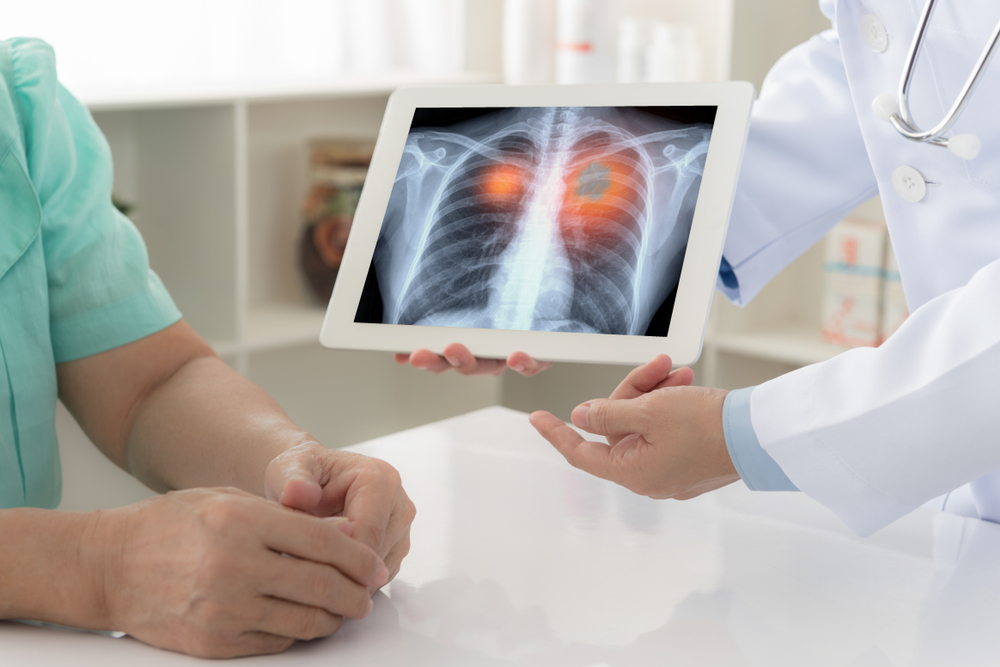
The 9/11 community has an increased risk of developing cancer, even 25 years later. Advancements in early cancer detection are offering new hope for those who were exposed to the toxic 9/11 dust, making it possible to identify cancers sooner, improve treatment outcomes, and expand access to critical health care and compensation benefits. With most 9/11-related cancers taking a long time to develop, cancer detection has become one of the most important tools for protecting long-term health.
The Ongoing Cancer Risks Facing 9/11 Responders and Survivors
In the aftermath of the September 11, 2001 attacks, 500,000 people lived, worked, or attended school in Lower Manhattan, most all exposed to a dangerous mixture of toxic air and water. These toxins included asbestos, benzene, heavy metals, pulverized concrete, and other carcinogens that were released into the air and lingered for months after the Towers collapsed.
As a result, tens of thousands of people in the downtown NYC 9/11 community have experienced higher rates of cancer compared to the general population. Over 69 types of cancer, including lung cancer, thyroid cancer, prostate cancer, breast cancer, skin cancer, lymphoma, kidney cancer, leukemia, colon cancer, and bladder cancer, have been formally recognized as linked to 9/11 exposure. These risks persist (and increase) long after the initial exposure, making ongoing monitoring and early detection especially important for long-term health outcomes.
Why Early Cancer Detection Is Critical for the 9/11 Community
Early cancer detection can improve treatment outcomes, reduce the need for invasive therapies, and increase overall survival rates. For individuals exposed to 9/11 toxins, early detection is particularly important because of the increased risk and the potential for delayed symptom onset.
Many cancers linked to 9/11 exposure may not present noticeable symptoms until the cancer has progressed to later stages. Routine screenings, such as imaging tests, blood work, and specialized exams, can identify abnormalities before symptoms develop. This allows for earlier intervention, which is often less invasive and more effective.
New Breakthroughs in Early Cancer Screening and Detection
Advancements in medical technology are transforming how cancers are detected, often allowing for earlier and more accurate diagnoses. Some of the most promising developments include:
-
Low-dose CT scans for early detection of lung cancer in high-risk individuals
-
Simple 4-marker blood test to detect pancreatic cancer early
-
Advanced imaging techniques that can identify tumors at smaller sizes
-
Genetic and biomarker testing that may detect cancer-related changes before tumors fully develop
-
Liquid biopsies, which analyze blood samples to identify cancer DNA or cells
These innovations are particularly relevant for the 9/11 community, where traditional screening methods may not always capture the full scope of risk.
How Early Detection Can Support a 9/11 Victim Compensation Fund Claim
Early detection does more than improve health outcomes; it can also support a higher award for a claim filed with the 9/11 Victim Compensation Fund (VCF). The VCF provides the highest awards (between $90,000 and $340,000) for individuals who have developed cancer since 9/11, as certified 9/11-related by the World Trade Center Health Program.
When a condition is identified and documented early:
-
Medical records are more complete and easier to compile
-
The timeline of diagnosis and treatment is clearly established
-
Claimants can more easily demonstrate the progression and impact of the condition
-
There is more time to meet registration and filing deadlines
Because VCF claims rely heavily on documentation, early detection can help ensure that all necessary evidence is available and accurate. This can reduce delays and improve the likelihood of a successful claim.
What Research Shows About 9/11 Exposure and Cancer Development
Research conducted through the World Trade Center Health Program (WTC Health Program) and other institutions has played a critical role in identifying the long-term health effects of 9/11 exposure. Studies have demonstrated that prolonged or intense exposure to the toxic dust and debris can increase the risk of developing certain cancers years or even decades later.
This research has also helped establish patterns in cancer development among exposed populations. For example, some cancers have appeared at younger ages, after shorter latency periods, or with different characteristics than typically seen in the general population. These findings have reinforced the need for specialized screening protocols and long-term health monitoring for individuals exposed in the aftermath of 9/11.
Ongoing research continues to refine our understanding of cancer risk within the 9/11 community, helping healthcare providers detect conditions earlier and tailor treatment strategies more effectively.
What 9/11 Survivors Should Do If They Are Diagnosed With Cancer
If a 9/11 responder or survivor is diagnosed with cancer, there are several important steps to take:
-
Seek medical care immediately and follow all recommended treatment plans
-
Enroll in the WTC Health Program if not already a member
-
Obtain certification of the cancer as a 9/11-related condition
-
Register with the VCF to preserve eligibility for compensation
-
Gather documentation, including medical records and proof of presence in the exposure zone
Taking these steps early can help ensure access to both medical monitoring and care and financial compensation.
Cancer Screening and Certification Through the World Trade Center Health Program
The WTC Health Program provides comprehensive medical monitoring and treatment for individuals affected by 9/11 exposure. This includes access to cancer screenings tailored to the specific risks faced by responders and survivors.
Through the Health Program, eligible members can receive:
-
Regular health evaluations and screenings
-
Diagnostic testing for suspected conditions
-
Certification of 9/11-related cancers
-
Ongoing treatment and follow-up care
Certification of 9/11-related cancers through the Health Program is a key step for individuals who were present in the aftermath of 9/11, as it confirms the condition is linked to 9/11 exposure. This certification not only ensures access to medical care but is also required to be eligible to file a claim for financial compensation with the September 11th Victim Compensation Fund (VCF).
Protecting Your Health and Legal Rights After 9/11 Exposure
For members of the 9/11 community, staying proactive about protecting your health is essential. Regular cancer screenings, awareness of potential symptoms, and participation in programs like the WTC Health Program can make a meaningful difference in long-term outcomes.
Understanding your legal rights is also important. The programs established under the James Zadroga 9/11 Health and Compensation Act are designed to provide both healthcare and financial relief, but registering with the WTCHP, obtaining certification, and filing a claim with the VCF can be daunting. If you or a loved one has developed a 9/11-related cancer, working with an experienced legal team can help ensure that your claim is properly filed and you receive the maximum award possible for your individual circumstances. Contact the experienced 9/11 attorneys at Hansen & Rosasco, LLP today to find out how we can help you protect your health and right to financial compensation.