 800-887-7299
- 9/11 Victim Programs
- Victim Compensation Fund (VCF)
- WTC Health Program (WTCHP)
- Wrongful Death VCF Claims
- Our Team
- 9/11 Victim Programs
- Case Results
- Resources
- Contact Us
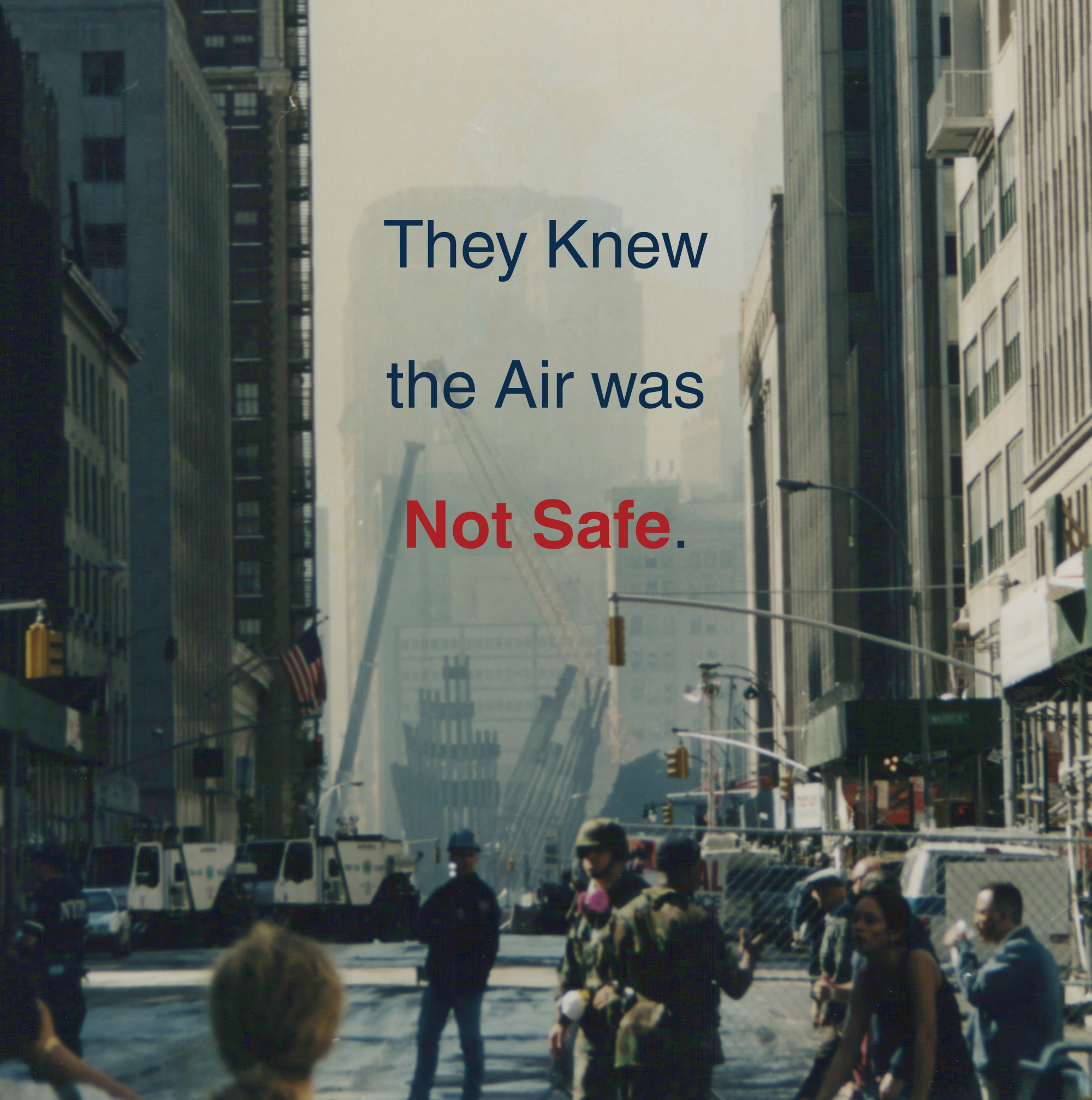
For more than two decades, 9/11 victims have lived with the consequences of a decision that was made quickly, quietly, and disastrously wrong. Workers, residents, students, and responders were told the air was safe to breathe. They were urged to return to work, to clean, to recover, to rebuild. Now, the newly released Harding Memo confirms what thousands have long suspected. New York City officials knew the air was unsafe, in fact, that it was dangerous, and they said otherwise anyway.
This was not a misunderstanding. It was not a delay in science. It was a calculated risk assessment made while toxic dust and debris still hung in the air of Lower Manhattan.
And the people who paid the price were 9/11 victims.
The Harding Memo is an internal New York City Law Department document from October 2001, addressed to then Deputy Mayor Robert Harding under former Mayor Rudy Giuliani. The subject line: "Legislative Alternatives to Limit the City's Liability relating to 9/11/01."
At a time when city leaders were publicly assuring residents, workers, students and volunteers that Lower Manhattan was safe, city attorneys were privately discussing the likelihood of tens of thousands of claims related to toxic exposure, respiratory illness, and long-term health affects.
The Harding Memo outlines concerns about airborne contaminants, including asbestos and heavy metals, and acknowledges that people could be harmed by returning to the exposure zone too soon.
This memo was written just weeks after September 11.
Publicly, New York City officials insisted the air was safe. Schools reopened. Offices reopened. Residents were encouraged to return home. Workers were sent in with inadequate or no protective equipment.
The Harding Memo reveals that the City was weighing how to limit its legal exposure while people were still breathing in toxic dust. Instead of full transparency, the priority became damage control.
For 9/11 victims now suffering from cancer, respiratory disease, and other serious conditions, this is not just history. This is confirmation that their illnesses were foreseeable and preventable.
Nearly 140,000 people have been diagnosed with 9/11-related cancers and other illnesses.
The Harding Memo matters because it reinforces a critical truth. These health outcomes were not unpredictable. The dangers were known. This is essential when advocating for expanded recognition of conditions, full medical coverage and funding, and proper compensation under federal programs created specifically because of these failures.
The September 11th Victim Compensation Fund and the World Trade Center Health Program exist because 9/11 victims were placed in harm’s way without honest information or adequate protection.
The release of the Harding Memo has renewed calls for full disclosure of all remaining 9/11-related health documents. Advocacy groups, City Council members, and legal organizations are demanding answers about what else is still being withheld.
After years of denial, missing records, and resistance, the truth is finally emerging piece by piece, and it is long overdue.
If you are a 9/11 victim, whether a responder, recovery worker, volunteer, or someone who lived, worked, or went to school in lower Manhattan, this moment matters.
At Hansen & Rosasco, our work is focused on helping 9/11 victims and their families navigate the 9/11 Victim Compensation Fund and the World Trade Center Health Program with clarity and urgency.
The truth about what happened after 9/11 still matters. Especially for those living with its consequences today.