 800-887-7299
Understanding the Link Between 9/11 Exposure and Multiple Myeloma
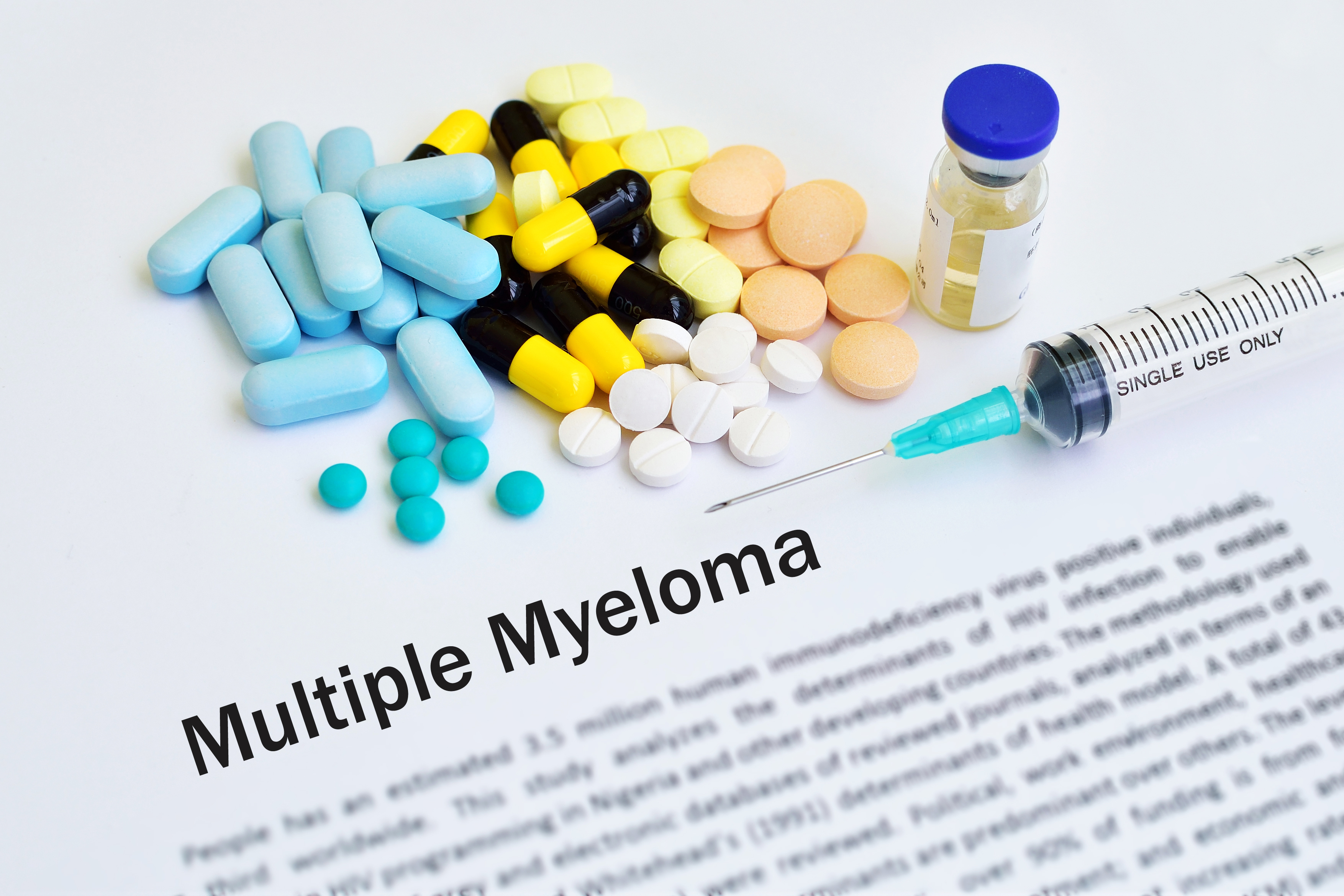
Among the most serious conditions linked to toxic exposure in the aftermath of the terrorist attacks on the World Trade Center (WTC) is multiple myeloma, a rare but aggressive blood cancer that affects plasma cells.
For many first responders, volunteers, office workers, residents, students, and others who were present in lower Manhattan on or after the attacks, a diagnosis of multiple myeloma is directly tied to exposure to the toxic dust that blanketed lower Manhattan and the surrounding areas released when the towers fell.
Could 9/11 exposure be the cause? What scientific evidence supports the connection? And what health care and compensation options are available? This guide explores what we know about the direct link between 9/11 exposure and multiple myeloma, who is at risk, and what medical treatment, support, and compensation are available.
Scientific Research Linking 9/11 Exposure to Multiple Myeloma
Over the years, researchers have examined whether 9/11 exposure is associated with increased risks of blood cancers compared with the general population. Studies have identified higher rates of monoclonal gammopathy of undetermined significance (MGUS) among 9/11-exposed firefighters compared with individuals who were not exposed. MGUS is a known precursor to multiple myeloma. A review of 944 medical publications confirmed that multiple myeloma was part of the excess cancers found in the exposed 9/11 population, along with leukemia, non-Hodgkin lymphoma, and bladder cancer.
Other research has further examined elevated risks of multiple myeloma in the 9/11-exposed population, especially in first responders. One study showed firefighters have nearly twice the risk of developing multiple myeloma.
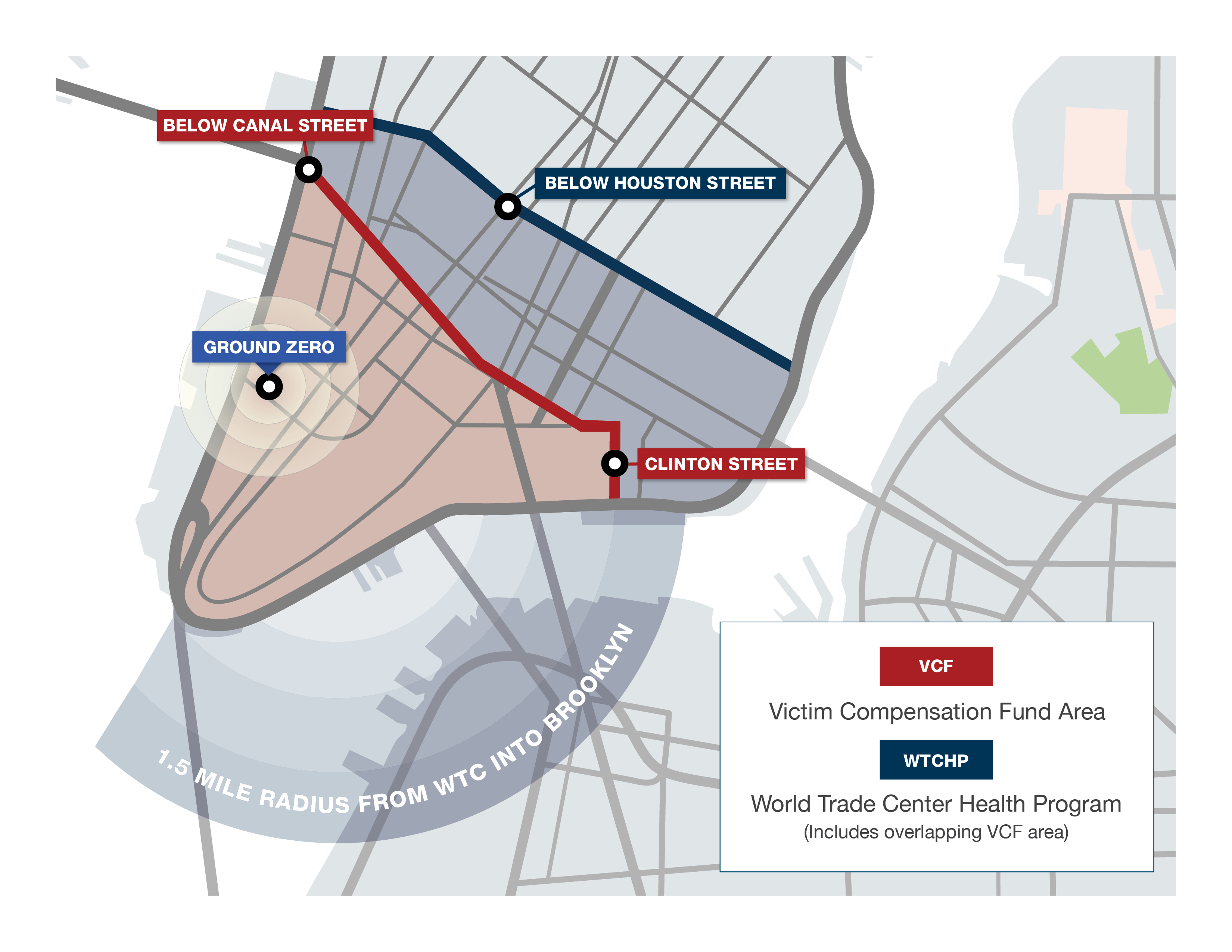
As evidence has accumulated, multiple myeloma was added to the list of certified cancers under the World Trade Center Health Program. This recognition reflects a consensus among the scientific community that exposure to 9/11 toxins contributes to the development of multiple myeloma. The risk applies not just to firefighters, but to anyone living, working, or going to school in lower Manhattan on 9/11 or any time through mid-2002.
Treatment Options and Support for 9/11-Related Multiple Myeloma
Treatment for multiple myeloma has advanced significantly in recent years and may involve several cancer therapies. Options may include:
-
Targeted therapy
-
Immunotherapy
-
Chemotherapy
-
Stem cell transplant
-
Radiation therapy (in certain cases)
- Steriods
Cancer centers experienced in treating blood cancers, including the WTCHP Clinical Center for Excellence (CCE), offer specialized care tailored to each patient’s needs. Through the WTC Health Program, eligible individuals diagnosed with multiple myeloma can receive treatment for certified 9/11-related conditions at no out-of-pocket cost at a CCE in New York or through the Nationwide Provider Network (NPN) if located outside New York.
Beyond medical care, emotional and psychological support is essential. A cancer diagnosis can be overwhelming, particularly when it may be tied to service or exposure during a national tragedy. The WTC Health Program provides counseling and other mental health services.
What 9/11 Toxins Were Present and Why They Matter
When the Towers collapsed on September 11, 2001, they released a massive cloud of dust and debris into lower Manhattan. This dust contained a complex mixture of harmful substances, including asbestos, benzene, polycyclic aromatic hydrocarbons (PAHs), heavy metals such as lead and cadmium, dioxins, and pulverized cement and silica. Many of these substances are known or suspected carcinogens. Benzene, in particular, has long been associated with blood cancers.
Thousands of individuals were exposed to the environmental toxins throughout downtown Manhattan and the surrounding area, as well as at the crash sites at the Pentagon and in Shanksville, Pennsylvania. Firefighters, police officers, ironworkers, sanitation workers, and volunteers worked long shifts amid lingering dust and debris. Nearby residents, students, visitors, and office workers were also exposed.
Because plasma cells reside in bone marrow and are involved in blood production, exposure to carcinogenic chemicals that affect blood-forming tissues may increase the risk of blood cancers, including multiple myeloma.
What Is Multiple Myeloma?
Multiple myeloma is a cancer of plasma cells, a type of white blood cell found in bone marrow. Plasma cells help the body fight infection by producing antibodies. When these cells become cancerous, they multiply uncontrollably and crowd out healthy blood-forming cells.
Over time, multiple myeloma can lead to:
-
Bone pain and fractures
-
Anemia
-
Kidney dysfunction
-
Frequent infections
-
Fatigue and weakness
In many cases, multiple myeloma develops from a precursor condition known as monoclonal gammopathy of undetermined significance (MGUS). While MGUS itself is not cancer, it is considered a myeloma precursor disease and increases the risk of developing multiple myeloma over time.
Research has shown that certain environmental exposures can increase the risk of myeloma. For individuals exposed to toxins present in the disaster area, this connection is of significant importance.
Symptoms, Diagnosis, and the Importance of Early Detection
Multiple myeloma symptoms can develop gradually and may initially be mistaken for other conditions. Common warning signs include:
-
Persistent bone pain in the back, head, chest, pelvis, or upper leg
-
Unexplained fatigue
-
Frequent infections or illnesses
-
Nausea and vomiting
-
Anemia
-
Numbness or tingling in arms or legs
Diagnosis of multiple myeloma typically involves:
-
Blood tests to detect abnormal proteins
-
Urine tests
-
Imaging studies
-
Bone marrow biopsy
-
Genetic testing
Early detection is critical. When identified at an earlier stage, treatment options may be more effective in controlling disease progression.
Individuals enrolled in the WTC Health Program receive ongoing monitoring and can be evaluated for 9/11-related conditions. If you have concerns about symptoms or you have a prior MGUS diagnosis, continued screening is crucial.
Legal Rights and Compensation for 9/11-Related Multiple Myeloma
In addition to health care, financial compensation may be available. The September 11th Victim Compensation Fund (VCF) provides compensation for individuals diagnosed with covered 9/11-related cancers, including multiple myeloma.
Eligible claimants may recover compensation for:
-
Lost wages and reduced earning capacity
-
Medical expenses
-
Pain and suffering
-
Wrongful death benefits for surviving family members
To qualify, individuals generally must:
-
Register with the WTC Health Program
-
Obtain certification of multiple myeloma through the WTC Health Program
-
Register and file a timely claim with the VCF
The claims process requires detailed documentation and involves strict deadlines, leading many individuals to seek legal assistance.
Speak With a 9/11 Multiple Myeloma Attorney
If you or a loved one has been diagnosed with multiple myeloma after 9/11 exposure, understanding your rights is essential.
An experienced 9/11 multiple myeloma attorney can:
-
Determine eligibility for the WTC Health Program and VCF
-
Assist with enrolling in the WTC Health Program
-
Coordinate medical certification
-
Gather necessary documentation
-
Prepare and submit a comprehensive compensation claim
Legal guidance can help ensure that you receive the full benefits available for your individual circumstances. Contact an experienced 9/11 attorney at Hansen & Rosasco, LLP today to ensure you receive the medical care and financial compensation you are entitled to.