9/11 and Malignant Neoplasm of Heart, Mediastinum, and Pleura
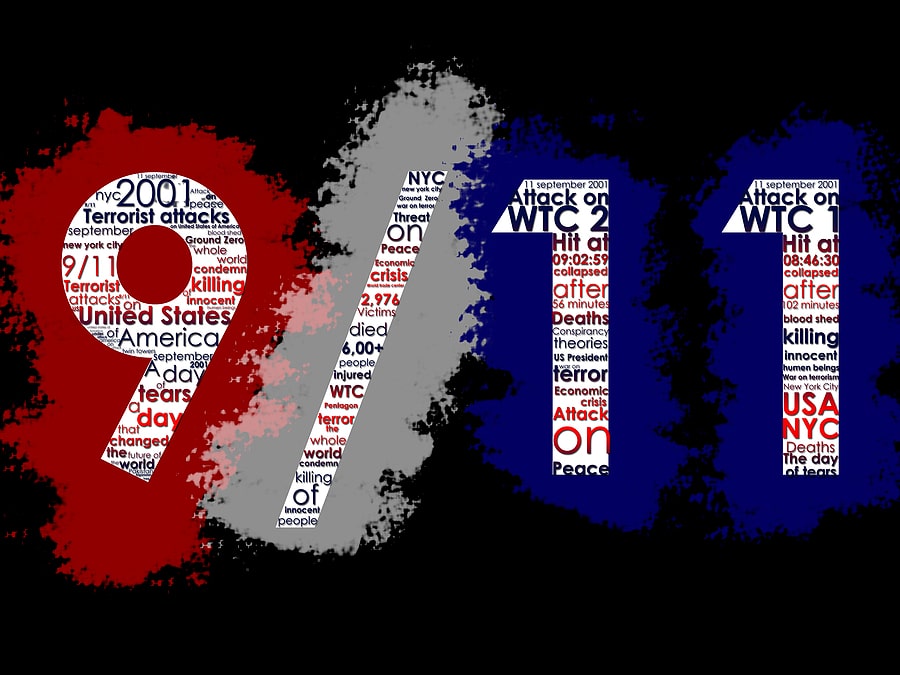
It was one of the most memorable images from the World Trade Center and lower Manhattan in the hours and days after the terrorist attack on September 11, 2001: People covered in dust. Unfortunately, the dust contained hundreds of toxins, such as cement, gypsum, asbestos, glass fibers, calcium carbonate, lead, and other metal particles. Over the years after the attacks occurred, the first responders and people who lived, worked, or attended school in lower Manhattan (as far north as Houston Street) began experiencing serious health issues because of the exposure to these substances.

Skin cancer (non-melanoma) is the most common cancers suffered by responders and survivors (residents, workers, students, and others) who were present in lower Manhattan on 9/11 or during the many months after.
Both the September 11th Victim Compensation Fund (VCF) and the U.S. Victims of State Sponsored Terrorism Fund (also known as the VSST or USVSST Fund) compensate victims of terrorist attacks, including the 9/11 attacks. As the victim of such an attack, including the surviving dependents of individuals who lost their lives due to the terrorist attacks of 9/11, you may want to pursue the maximum compensation you deserve for the losses you faced. Can you file a claim through both the VCF and the USVSST?
The September 11th Victim Compensation Fund requires that copies of medical records be obtained by the claimant and submitted in many instances. Records are often helpful to prove a disability from employment, the need to hire household or other at-home help to support a claim for payment of
Since the 9/11 attacks of 2001, many people have gone through significant changes in their lives, including name changes. You may have chosen a name change for a variety of reasons. However, you may worry that it would make your VCF claim more difficult.
9/11 caused thyroid cancer in over one thousand first responders and downtown NYC residents, workers, students, and others. In the most recent
The 9/11 toxic dust is the known cause of rare cancers including pancreatic anal, testicular, stomach, tongue, intestinal, laryngeal, and many other types of rare cancers. These cancers, along with many others, are by definition rare (occurring in fewer than 15 out of 100,000), but have been and still are diagnosed all too often in the 9/11 population of responders and downtown residents, workers, students, and others.
9/11 caused melanoma of the skin (and non-melanoma skin cancers) in thousands of people. The most recent study from the World Trade Center Health Program reports 985 certified cases of melanoma in first responders and 286 cases in the survivors (downtown residents, workers, and students). The number of certified cases of non-melanoma of the skin cancer is more alarming: 4,494 certified diagnosed cases in first responders, and 843 certified cases in downtown workers, residents, and students,