The Impact of 9/11 on Cleanup Workers
In the immediate aftermath of the attacks, cleanup workers and volunteers were working in a hazardous environment. The collapse of the Twin Towers released a giant cloud of toxic dust and debris, which contained a mix of pulverized concrete, asbestos, silica, glass fibers, heavy metals, benzene, dioxins, and other hazardous substances. In addition, fires burned at Ground Zero for several weeks, continuing to release dangerous smoke and fumes.
Cleanup workers were responsible for removing wreckage, sorting debris, cleaning office buildings, residential complexes, subway stations, and streets, and transporting contaminated materials away from the site. Many worked long shifts under intense pressure, often doing so without proper respiratory protection due to a lack of understanding of the dangers and a lack of adequate safety warnings. Many were sent back into buildings that had been declared “safe” despite lingering toxic contamination.
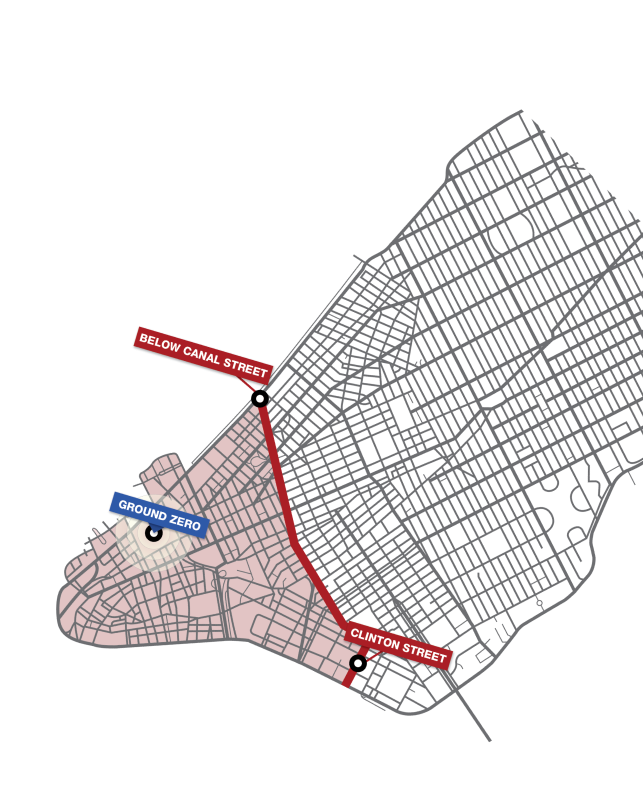
Unfortunately, the exposure did not end at Ground Zero. Cleanup operations took place throughout Lower Manhattan, including areas related to or along the routes of debris removal, such as barges and the Fresh Kills landfill. Because the toxins lingered in the air long after the attacks, even workers who arrived weeks or months after September 11, 2001, faced repeated exposure to toxic dust and chemicals.
While many individuals experienced symptoms soon after the attacks, for many cleanup workers, symptoms did not develop for years or even decades later. Respiratory problems, gastrointestinal disorders, cancers, and mental health conditions often emerged years later, long after workers had returned to their normal lives. These long latency periods, or time between exposure and the onset of symptoms, are common for many 9/11‑related illnesses.
Health Conditions Common for Cleanup Workers During and Following 9/11
Cleanup workers experienced some of the highest levels of toxic exposure due to their direct contact with dust, debris, and contaminated surfaces. Because of this, they face elevated risks for a wide range of 9/11-related medical conditions.
Common 9/11‑related conditions affecting cleanup workers include:
- Cancers, including lung cancer, colorectal cancer, prostate cancer, thyroid cancer, skin cancer, and blood cancers like leukemia and lymphoma
- Respiratory illnesses, such as asthma, chronic bronchitis, COPD, and reactive airway dysfunction syndrome (RADS)
- Upper airway and sinus conditions, including chronic sinusitis and vocal cord dysfunction
- Gastrointestinal disorders, such as GERD and chronic digestive issues
- Cardiovascular disease, linked to chronic inflammation and long‑term exposure
- Mental health conditions, including PTSD, anxiety, depression, and sleep disorders
Because many of these conditions may require lifelong treatment, they can significantly impact an individual’s ability to earn income and maintain quality of life. Those with a 9/11-related physical health condition may be eligible for financial compensation through the VCF, and those with a physical or mental health condition can apply for medical monitoring and treatment through the WTCHP.

 800-887-7299