• 9/11 Victim Programs
  • Victim Compensation Fund (VCF)
  • WTC Health Program (WTCHP)
  • Wrongful Death VCF Claims

Hansen & Rosasco, LLP

    Posts by:

    Dan Hansen

    How 9/11 Health Research Has Evolved Over the Last Two Decades

    More than 20 years after the September 11, 2001, terrorist attacks, the full effect of the health impacts is still being understood. As time passed, a health crisis began to emerge involving chronic illness, cancer, respiratory disease, digestive disorders, and long-term mental health conditions among 9/11 responders, victims, and others present in the aftermath of the attacks. 

    What began as short-term emergency response research has evolved into one of the most comprehensive public health monitoring efforts in the history of the United States. From early studies focused on dust exposure to ongoing cancer surveillance, 9/11 health research has informed the support available to the 9/11 community and has reshaped how the nation responds to environmental disaster and mass trauma.

    Read More

    Understanding the Link Between 9/11 Exposure and Multiple Myeloma

    Among the most serious conditions linked to toxic exposure in the aftermath of the terrorist attacks on the World Trade Center (WTC) is multiple myeloma, a rare but aggressive blood cancer that affects plasma cells.

    For many first responders, volunteers, office workers, residents, students, and others who were present in lower Manhattan on or after the attacks, a diagnosis of multiple myeloma is directly tied to exposure to the toxic dust that blanketed lower Manhattan and the surrounding areas released when the towers fell. 

    Could 9/11 exposure be the cause? What scientific evidence supports the connection? And what health care and compensation options are available? This guide explores what we know about the direct link between 9/11 exposure and multiple myeloma, who is at risk, and what medical treatment, support, and compensation are available.

    Read More

    What Can Be Used to Show Your Proof of Presence for the VCF

    One of the most important requirements when filing a claim with the 9/11 Victim Compensation Fund (VCF) is proving you were present in the NYC Exposure Zone between September 11, 2001 and May 30, 2002. This step, called proof of presence, is essential for establishing eligibility for compensation. The VCF cannot process your claim without documentation showing that you lived, worked, went to school, volunteered, responded, or were otherwise in the affected area during the months when toxic dust and debris contaminated lower Manhattan. Fortunately, there are several documents that can be used to show your proof of presence. Here, we explain what proof of presence is, who must provide it, what documents the VCF accepts, common challenges, and what you can do if you no longer have proof of presence records.

    Read More

    How Spouses and Children Can File a 9/11 VCF Claim on Behalf of Their Loved One

    When a responder, resident, or downtown office or other worker passes away (even if many years ago) or becomes too sick to complete their claim, a spouse, child, or other representative may file a VCF claim on their behalf. While it has been more than two decades since the terrorist attacks of September 11, 2001, thousands of families have lost loved ones to one of the 70+ types of 9/11-linked cancers. Many are also still managing the long-term health consequences their loved ones suffered due to toxic exposure in the NYC Exposure Zone. 

    The September 11th Victim Compensation Fund (VCF) has awarded more than $16 billion in compensation to over 70,000 individuals who have suffered from cancer or other health conditions, including payments to families of nearly 7,000 people who have since passed away after their exposure to toxins in New York City, at the Pentagon, and in Shanksville, Pennsylvania. Filing a VCF claim as a personal representative for an estate or someone who is incapacitated involves added complexity, including proving legal authority to proceed, gathering extensive documentation, and meeting strict VCF rules for the estate of the deceased or incapacitated victims. Here, we detail what surviving spouses, children, and other family members need to know to successfully file a VCF claim on behalf of a loved one.

    Read More

    Understanding the Legal Path for 9/11 Breast Cancer Victims

    Breast cancer is among the many conditions that are officially recognized as linked to the toxic exposure. In fact, it is the third most common cancer diagnosis among those present in the aftermath of the attacks, with nearly 4,000 individuals certified with 9/11-related breast cancer by the World Trade Center Health Program (WTCHP). These 9/11 breast cancer victims include first responders, cleanup workers, NYC residents, students, downtown civilian workers, and others who were present in Lower Manhattan or other 9/11 exposure zones at any time between 9/11 and May 30, 2002.

    Read More

    Are Autoimmune Conditions Eligible for 9/11 VCF Compensation?

    As of now, autoimmune conditions are not included on the official list of conditions recognized by the WTCHP. Since WTCHP certification is a prerequisite for filing a VCF claim, this means autoimmune conditions by themselves are not eligible for compensation through the VCF.

    Read More
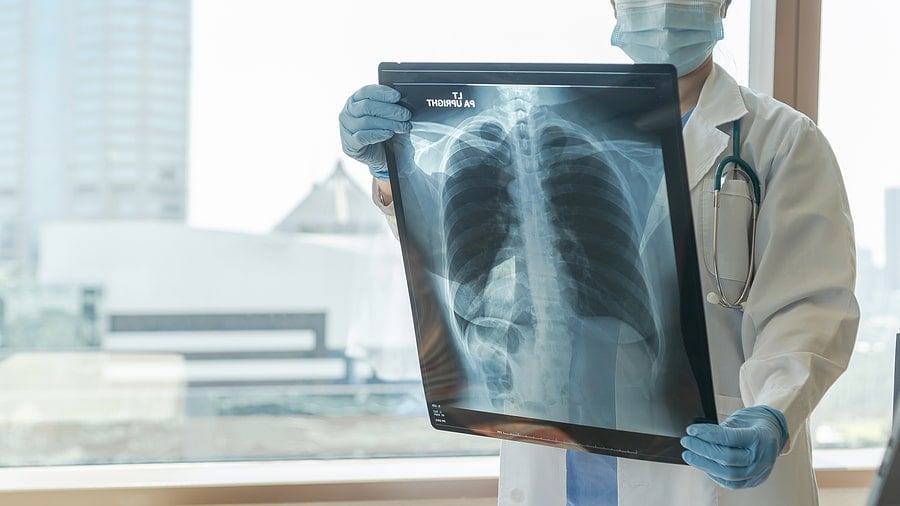
    Doctor looking at an xray for 9/11 related sarcoma

    New Advancements in Research for 9/11-Related Sarcoma

    Since the terrorist attacks, 9/11-related sarcomas – rare cancers that can affect soft tissue and bone – have been diagnosed in downtown residents, workers, and responders. While sarcomas are rare, anyone who lived, worked, or was otherwise present in lower Manhattan and the surrounding area on 9/11 and into mid-2002 is at an increased risk of developing sarcoma due to exposure to toxic dust, chemicals, and smoke. 

    Read More