Overview of 9/11 Uterine Cancer Claims
The WTC Health Program and the 9/11 Victim Compensation Fund are close to adding uterine cancer (including endometrial cancer) as a 9/11 presumed condition.
Posts by:
The WTC Health Program and the 9/11 Victim Compensation Fund are close to adding uterine cancer (including endometrial cancer) as a 9/11 presumed condition.
Downtown workers are, by far, the largest group of people sickened by the toxic 9/11 fallout. It is estimated that at least 300,000 downtown workers were exposed to the same toxic dust and fumes as the first responders. Since 911, at least 15 employees/vendors at Century 21 have been certified with 9/11-related medical conditions, and at least two have died. Twenty-one shoppers at the department store on 9/11 also received diagnoses for 9/11-related illnesses, as have 19 first responders who conducted recovery operations in the building. Did you know that the effects of 9/11 also impact retail workers?
Learn more about New Multi-Cancer Screening Tool to Help Detect Cancer Earlier. People in the 9/11 community were exposed to several cancer-causing substances through the toxic dust at Ground Zero. For these patients, a new multi-cancer early detection cancer screening test called Galleri shows promise in finding more types of cancers in earlier stages of development than ever before. Finding and treating cancers early has long been proven to give patients the best hope of recovery and survival.
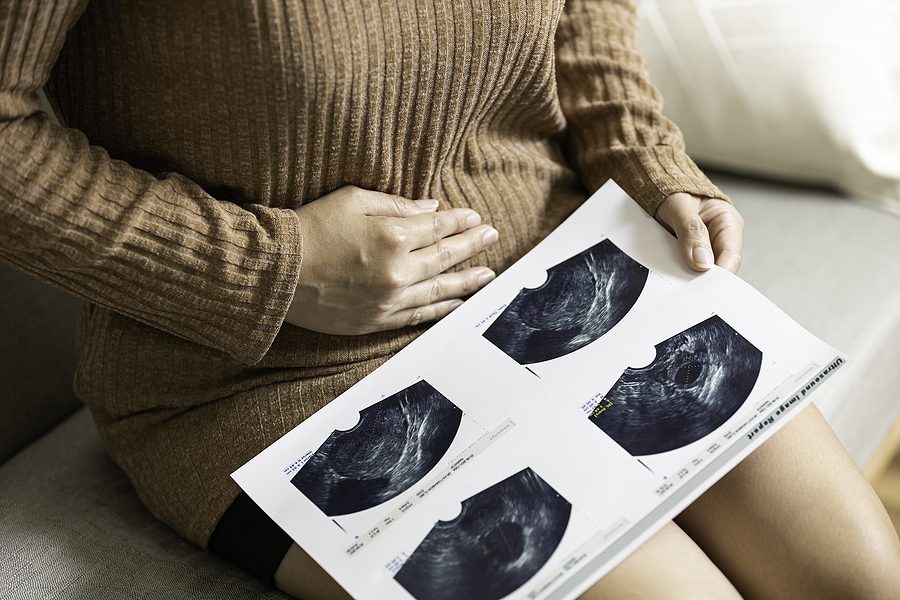
This year, doctors will diagnose nearly 67,000 new endometrial (uterine) cancer cases – the fourth most common cancer among women. However, it has been the only reproductive cancer not on theWorld Trade Center Health Program’s (WTCHP) list of covered 9/11-related conditions. A recent unanimous decision by the WTCHP’s Scientific Advisory Committee signaled that endometrial cancer would finally gain Program coverage for lifetime treatment and also 9/11 victim compensation.