• 9/11 Victim Programs
  • Victim Compensation Fund (VCF)
  • WTC Health Program (WTCHP)
  • Wrongful Death VCF Claims

Hansen & Rosasco, LLP

    Posts by:

    Troy Rosasco

    What Type of Cancer Is Caused by 9/11?

    500,000 people who worked, lived, went to school, and responded to the 9/11 disaster were exposed to the toxic mix of substances contained in the WTC dust plume that enveloped Lower Manhattan from 9/11 though mid-summer 2002. In the 20+ years since, over 100,000 have gotten sick with 9/11-related conditions, including many types of cancer. For more information, please reach out to our lawyers.


    Read More

    How Do I Check My VCF Claim Status?

    Individuals who have suffered a 9/11-related cancer or other illness can seek compensation for the expenses and impacts of their illness through the federal September 11th Victim Compensation Fund (VCF).

    Read More

    ​Exposure to WTC Dust Increases Neuropathy Risk by 15 Times

    The past twenty years have taught the medical community several things about toxic exposure. We now know that individuals exposed to the toxic dust from the collapsed towers on September 11th, 2001, are at a higher risk for cancer, respiratory, and digestive system diseases.

    Read More

    Registering with the VCF: What It Means, Why It’s Done, and More​

    The September 11th Victim Compensation Fund (VCF) provides compensation to individuals who suffer from physical injuries or illnesses due to working as 9/11 responders or having lived, worked, or attended school or daycare in the area near Ground Zero in Manhattan and shortly after the attacks. It also compensates family members for the wrongful death of a loved one due to such a physical injury or illness.

    Read More

    How to Prove You Were in Lower Manhattan on or After 9/11


    This post will discuss, "How to Prove You Were in Lower Manhattan on or After 9/11." People who lived, worked, or attended school in Lower Manhattan or assisted in the rescue, recovery, and cleanup efforts at Ground Zero as first responders or volunteers were exposed to toxic dust from the collapsed towers of the World Trade Center. More than twenty years after the attack, many of those people are sick from that toxic exposure.

    Read More

    Compensation Available for Families of Deceased 9/11 Victims

    Nearly 3,000 people died in the terrorist attacks on September 11th, 2001. In the days, weeks, and months that followed, thousands of first responders and volunteers worked tirelessly on the rescue, recovery, and cleanup operations at Ground Zero in New York City, and tens of thousands of individuals lived, worked, or attended school in the area. This post will discuss compensation for families of deceased 9/11 victims.

    Read More

    ​Diagnosed with 9/11-Related Leukemia: Now What?

    ​Diagnosed with 9/11-Related Leukemia: Now What? Recently, researchers from New York teamed up with scientists from Vanderbilt-Ingram Cancer Center to conduct a study to determine if first responders who were present in the Lower Manhattan exposure area on 9/11 or in the months that followed had a higher risk of developing genetic mutations that can lead to blood cancers such as leukemia. This recent study adds more support to the already proven link between exposure to 9/11 toxins – by first responders, downtown workers, residents, students, and others – and leukemia and other forms of blood cancers.

    Read More

    Leukemia: Cancer of the Blood and Lymphoid Tissue

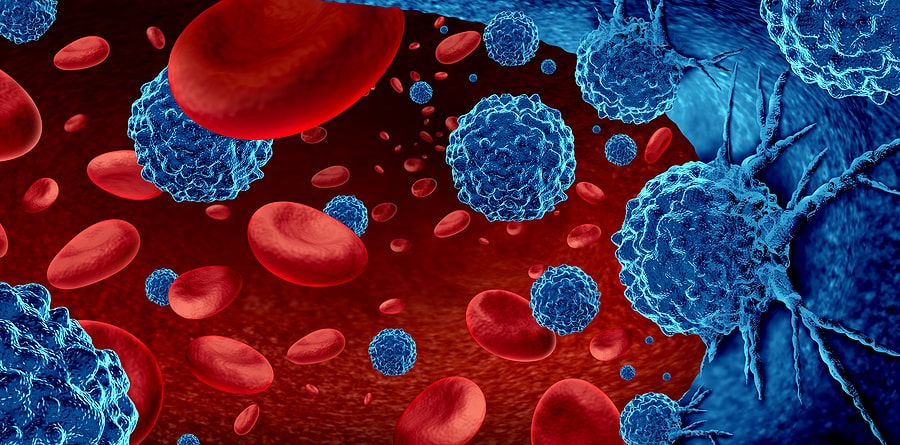
    september 11 Leukemia, Cancer of the Blood & Lymphoid Tissue lawyerLeukemia is the tenth most common cancer in the general public and the ninth most common cancer in the population exposed to the 9/11 toxins. Leukemia results in more than 61,000 new diagnoses a year and more than 23,000 deaths, including almost 1,000 cases that the World Trade Center Health Program certified as related to the 9/11 dust and fumes. It is among the most common childhood cancers, but it occurs more frequently in adults. It is both more common and more deadly in males than females. It is also most often diagnosed in people over 55.

    Read More